
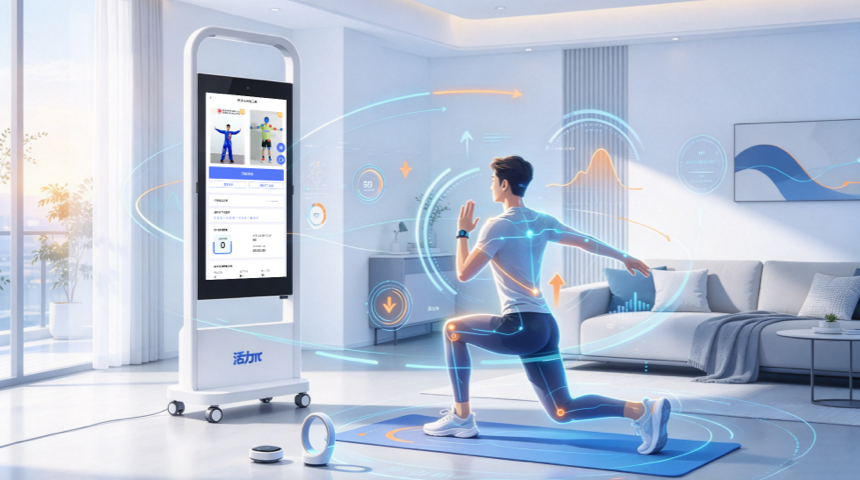
1. Introduction: Why the Living Room Is the New Gym
For many families, the gym is no longer a building down the street — it is the living room, a spare room or a corner of the bedroom. Smart home fitness has turned everyday spaces into training studios where sensors, AI and apps do the coaching. Instead of guessing whether a workout is effective, users now measure swing speed, count repetitions, track calories and watch their personal records improve over time. This guide explains how smart home fitness works in 2026, why it is one of the year's hot topics, and how families of every age can use it to build lasting exercise habits.
Behind this shift are companies that have spent decades turning sports equipment into data instruments. Shenzhen Earth Electronics Co., Ltd., founded in 2000, has more than 25 years of experience in intelligent sports and pioneered the world's first smart badminton racket. Its AI smart sports solutions combine self-developed MEMS inertial sensors, IMU-vision fusion and cloud analytics, and its AI Smart Sports Skills Platform brings that technology into the home.
2. Hot Topics Driving Smart Home Fitness in 2026
2.1 Connected fitness is booming
The first hot topic is market momentum. According to Morgan Reed Insights, the connected fitness market is valued at USD 8.11 billion in 2026 and is projected to reach USD 28.10 billion by 2035, a CAGR of 14.81 percent. Value Market Research puts the smart home fitness equipment segment at USD 2.02 billion in 2025, heading to USD 5.93 billion by 2034 at a CAGR of 12.73 percent, with Asia Pacific growing fastest. Home fitness equipment overall is expected to rise from about USD 12.9 billion in 2026 to roughly USD 22.8 billion by 2035, according to Global Market Statistics.
2.2 Policies push AI into fitness at home
The second hot topic is policy. China's National Fitness Plan (2026-2030) explicitly calls for wider use of AI in fitness facilities, sports events, exercise guidance and public fitness services, and encourages digital upgrades in public sports venues, according to CGTN. The same direction reaches the home: governments, schools and health programs increasingly expect exercise to be measurable, personalized and accessible outside formal facilities.
2.3 Wearables and smart equipment go mainstream
The third hot topic is hardware. Mordor Intelligence expects the wearable devices in sports market to grow from USD 98.06 billion in 2026 to USD 120.05 billion by 2031. Sensors are no longer limited to wristbands: they are now embedded in rackets, paddles, skipping ropes and training machines, which means data collection no longer requires extra gadgets.
3. How Smart Home Fitness Equipment Works
Smart home fitness equipment works by converting physical movement into numbers. At the core are MEMS inertial sensors — compact accelerometers and gyroscopes that measure acceleration and rotation many times per second. Strapdown inertial navigation algorithms fuse these signals into practical metrics such as speed, angle, force, force curves and 3D motion graphics. Because the sensors sit inside the equipment itself, no cameras or wearable straps are required.
Data from the sensors travels over Bluetooth to a companion app or platform, where AI compares each movement with standard motion models and identifies differences in technique. Over time, the platform builds a personal profile that makes training smarter: records are stored, trends become visible, and rankings show progress against previous sessions. For a deeper explanation of the technology, read how MEMS inertial sensors capture motion, or compare the full range of approaches in our complete guide to sports motion analysis.
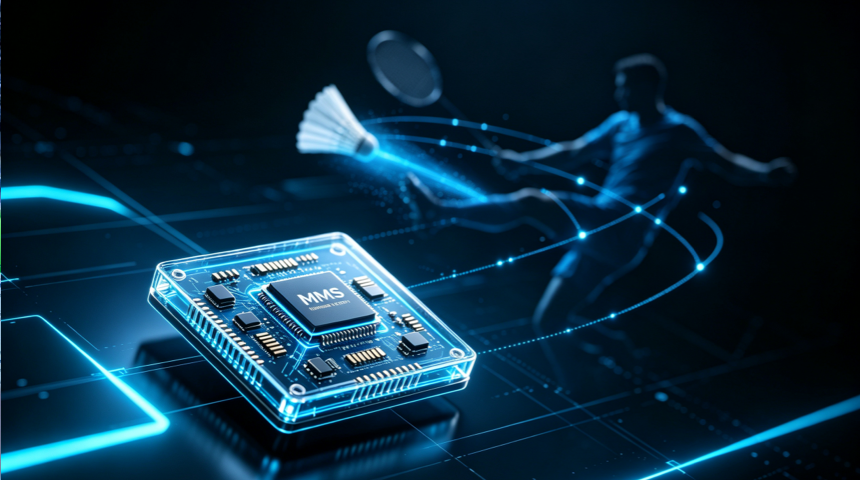
Figure 1. MEMS inertial sensors inside Vitality Pi smart sports equipment turn movement into data (source: global.szearth.com).
4. What the AI Smart Sports Skills Platform Offers
The AI Smart Sports Skills Platform is a smart home fitness solution designed for home use and suitable for all age groups. It covers four practical needs: sports learning, fat-loss fitness, PE entrance exam training and audio-visual entertainment. Children can learn and practice sports skills, teenagers can prepare for physical education entrance exams, adults can follow fat-loss and conditioning programs, and older family members can stay active with gentle, guided routines.
All of this runs on a simple, consistent workflow: connect the smart equipment to the app via Bluetooth, choose a training mode, exercise while the platform collects data, then review personal records and rankings. Every session is stored automatically, so the whole family can compare results over weeks and months. Parents can see exactly how much exercise their children complete, and beginners can improve without a coach standing next to them.
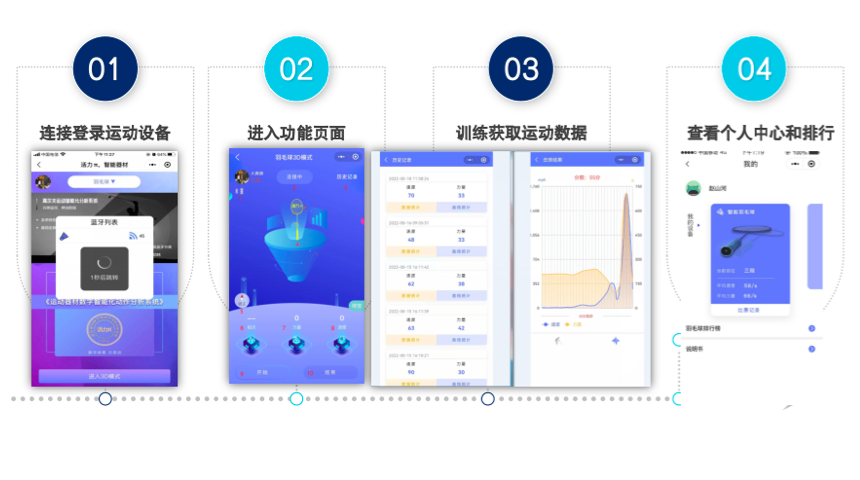
Figure 2. From device connection to personal dashboards: the smart sports app workflow (source: global.szearth.com).
5. From Data to Habit: A Practical Home Training Workflow
Data only helps if it becomes a routine. A practical home training workflow has four steps: connect the equipment, follow a structured course, review the session data, and adjust the plan for the next workout. Because the platform stores every record, progress is visible within a few sessions, which is exactly what keeps motivation high. AI motion analysis turns each exercise into clear feedback, as shown below.
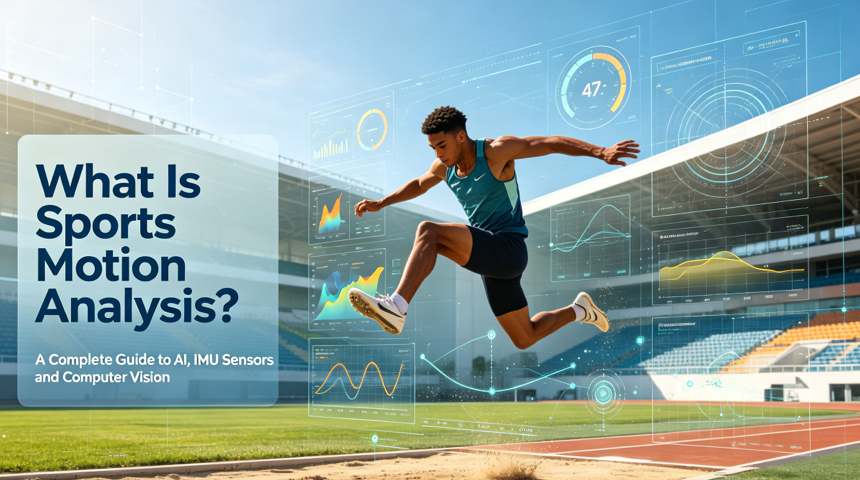
Figure 3. AI motion analysis turns exercise into measurable feedback for better training decisions (source: global.szearth.com).
The sample plan below shows how a family can spread smart home fitness across a week.
Table 1. A Sample Weekly Smart Home Fitness Plan
| Day | Training Focus | Suggested Mode | Typical Duration |
|---|---|---|---|
| Monday | Sports skill practice | Sports learning | 20 minutes |
| Wednesday | Cardio and fat loss | Fat-loss fitness | 25 minutes |
| Friday | Exam items and technique | PE entrance exam training | 20 minutes |
| Saturday | Family fun session | Audio-visual entertainment | 30 minutes |
| Rest days | Light activity and review | Records and rankings | 10 minutes |
6. Smart Home Fitness vs Traditional Home Workouts
How does smart home fitness compare with following videos or exercising on your own? The table below summarizes the main differences.
Table 2. Smart Home Fitness vs Traditional Home Workouts
| Aspect | Traditional Home Workouts | Smart Home Fitness |
|---|---|---|
| Feedback | Visual only; errors go unnoticed | Real-time data on speed, angle and force |
| Progress tracking | Manual notes or memory | Automatic records, trends and rankings |
| Technique correction | None or delayed | AI comparison with standard movements |
| Motivation | Self-discipline required | Progress visibility and family comparison |
| Equipment | Ordinary gear, no data | Bluetooth-enabled gear with built-in sensors |
7. How to Choose the Right Smart Home Fitness Solution
Start with the users. A family solution should serve multiple age groups, so look for platforms that cover sports learning, fat-loss training, exam preparation and entertainment in one system. Next, check the technology: genuine MEMS or IMU sensing, AI analysis that covers speed, angle, force and 3D graphics, and a cloud platform that keeps records accessible and comparable over time. Then check the hardware: Bluetooth connectivity and sensors embedded directly in the equipment make data collection effortless. Finally, look for proven experience and official recognition, such as the certifications and recommended equipment catalog listings held by Shenzhen Earth — including the Liaoning education equipment catalog. A platform that is also used in schools, such as the digital PE system and its companion guides on AI in K-12 physical education and digital physical education guide, usually brings more mature technology into the home as well.
8. Frequently Asked Questions (FAQ)
What is smart home fitness?
Smart home fitness is a training setup that uses sensor-equipped equipment, an app and AI analysis to measure and improve exercise at home. It records metrics such as speed, angle and force, stores progress and provides guided courses without needing a gym.
Do I need special equipment to start?
Yes, but only one or two pieces. Platforms such as the AI Smart Sports Skills Platform work with Bluetooth-enabled smart equipment that already contains inertial sensors, so you do not need separate wearables or cameras.
Is smart home fitness suitable for all ages?
Yes. The platform offers sports learning for children, PE entrance exam training for students, fat-loss fitness for adults and entertainment modes for family fun, with difficulty that adapts to each user's level.
How does the app measure my movements?
MEMS inertial sensors inside the equipment measure acceleration and rotation. Strapdown inertial navigation algorithms convert those signals into metrics such as swing speed, force curves and 3D motion graphics, which the app compares with standard movement models.
Can I track my progress over time?
Yes. Every session is recorded automatically. The app stores personal records, shows trends and rankings, and lets you compare your current performance with earlier sessions so improvement becomes visible within a few workouts.
Can smart home fitness help with PE entrance exams?
Yes. Exam training is one of the platform's core modes. Students can practice exam items at home, receive technique feedback, and build the consistency that examiners measure — a useful complement to school physical education.
9. Conclusion
Smart home fitness in 2026 is practical, affordable and data-driven. Market growth, supportive policies and smarter hardware have made it possible for any family to train with the same sensor and AI technology used in professional sports. The key is consistency: connect the equipment, follow the course, review the data, adjust the plan. For schools and families alike, the same technology core powers learning, training and competition — explore the smart sports insights hub, or see how the competitive sports platform and smart badminton training extend data-driven training to the court, with the Vitality Pi smart racket as the entry point.
Sources and References
[1] Morgan Reed Insights — Connected Fitness Market (2026-2035)
[2] Value Market Research — Smart Home Fitness Equipment Market (2025-2034)
[3] Global Market Statistics — Home Fitness Equipment Market (2026-2035)
[4] CGTN — National Fitness Day: How AI is making exercise more personalized in China (August 2026)
[5] Mordor Intelligence — Wearable Devices in Sports Market (2026-2031)
[6] Shenzhen Earth Electronics Co., Ltd — official website (company and product facts)
Company facts and product information in this article are taken from the official Shenzhen Earth website (global.szearth.com). Market figures are attributed to the sources above; report scopes and definitions differ, so figures from different providers should not be mixed or compared directly.
Bring Smart Sports Training Home
Explore connected training tools for sports learning, fitness, PE exam preparation and family exercise.
Explore Home Fitness Solutions